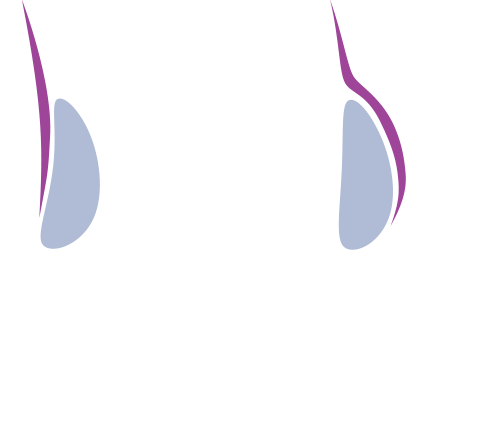
Breast Augmentation

Breast augmentation is one of the most frequently requested cosmetic plastic surgery procedures. Breast implants can provide a wide range of correction, whether you are considering breast enlargement to provide volume for under developed breasts, or you want to restore breast volume lost after child bearing or weight loss. There are many facets to consider with breast enhancement: Size, Filler (Silicone or Saline), Shapes, Profiles, Surface (Smooth or Textured), Placement, Incisions and Postoperative Activity. All these should be considered before the plans for Breast Augmentation are finalized.

I use several different breast augmentation techniques. This allows me to choose the method that can give you the best breast augmentation results in the safest and most predictable way possible. A personalized, in-office consultation appointment is the only way to choose the most appropriate path to your breast enhancement. Bellow is some basic information to help provide a foundation for the process.


Breast Augmentation Patient Information from Dr. Joseph A Mele, III, MD, FACS Natrelle Preferred Doctor


Breast Implant Options

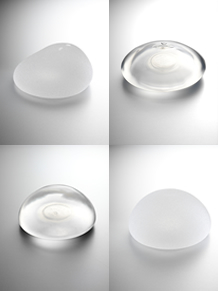
Breast implants now come in many sizes and shapes, and the choice can be optimized to provide you with the best possible cosmetic result. Profiles can be selected so that the implant matches you body and provides the appropriate amount of volume and projection. Breast implants can be filled with saline or silicone and each has it benefits and downsides. Here are some details to help get you started:

Breast Implant Size

Breast implant size is perhaps the most difficult aspect of breast augmentation because there are so many breast implants to choose from. Implant size, specifically breast implant volume, determines the final cup size. The choice will be affected by the amount of breast tissue present before surgery, the desired end point, the amount of skin on the breast, the elasticity of the breast skin and to lesser extent, the size of the pectoralis major muscle when the implants are placed behind the muscle.

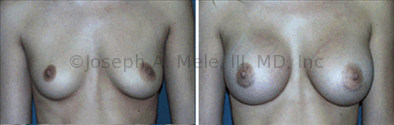
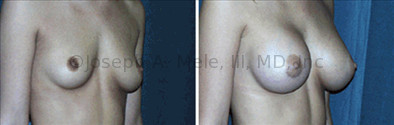
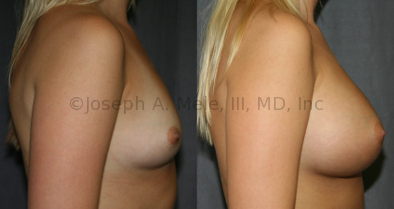
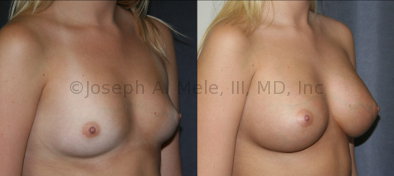
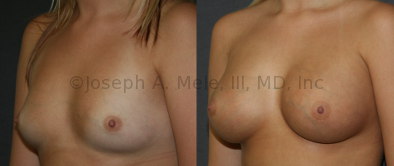
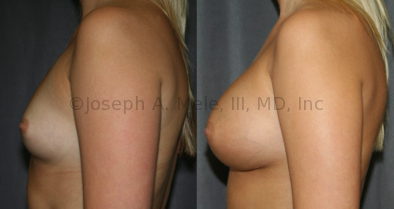
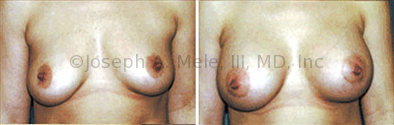
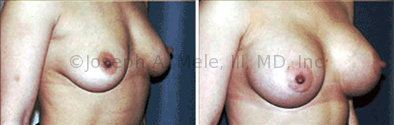
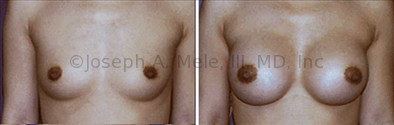
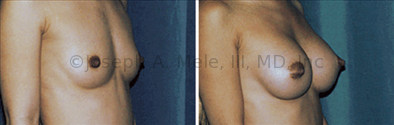
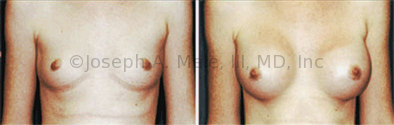
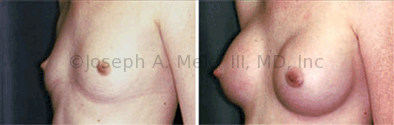
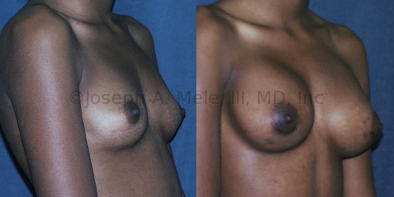
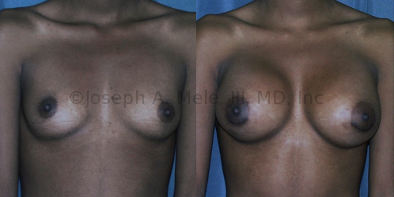
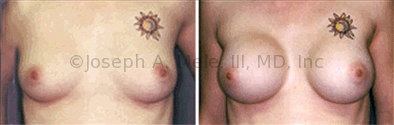
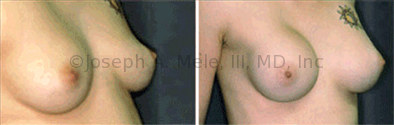
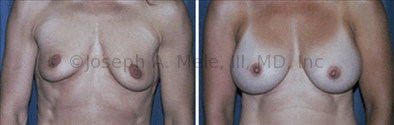
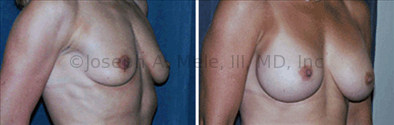
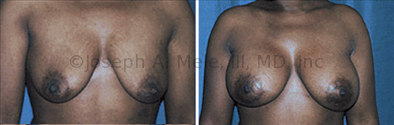
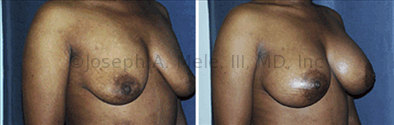
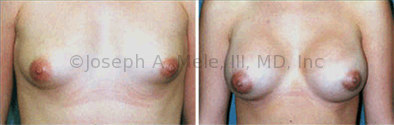
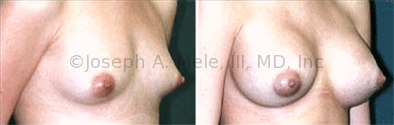
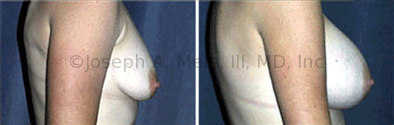
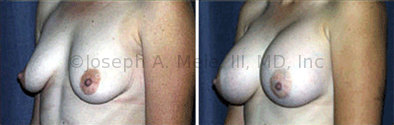
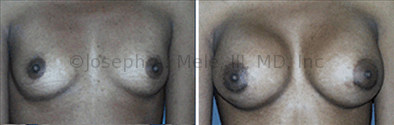
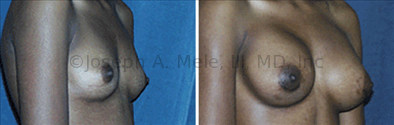
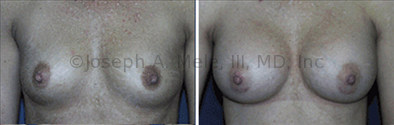
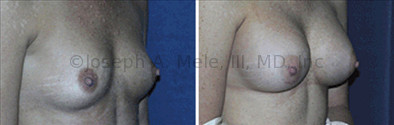
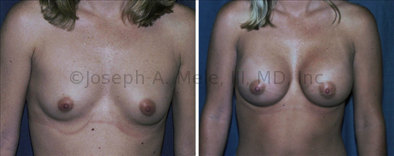
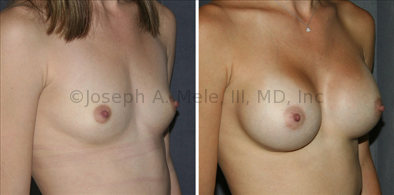
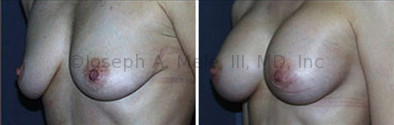
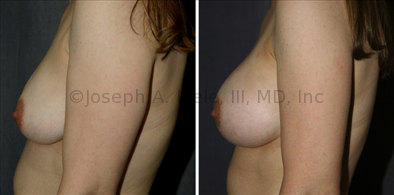
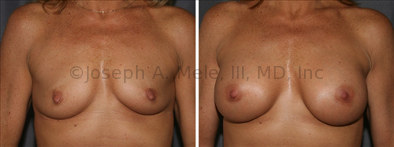
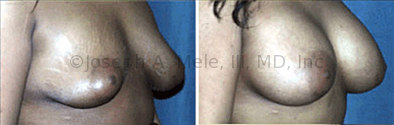
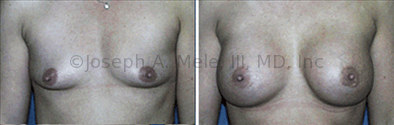
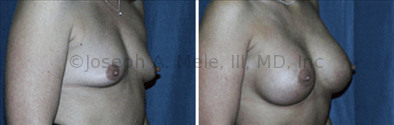
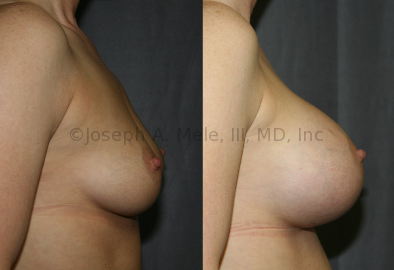
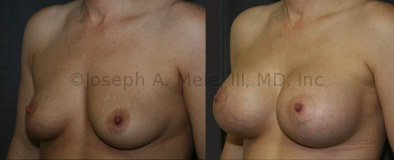
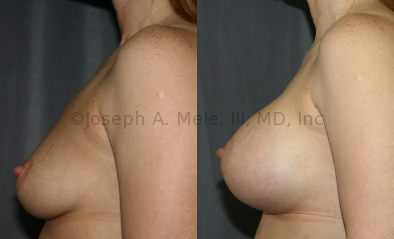
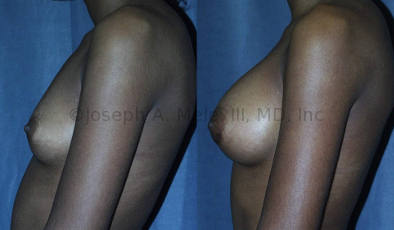
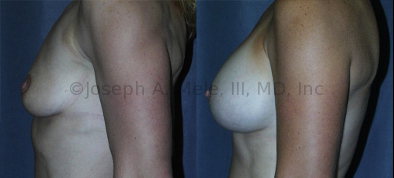
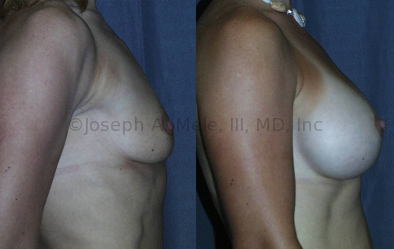
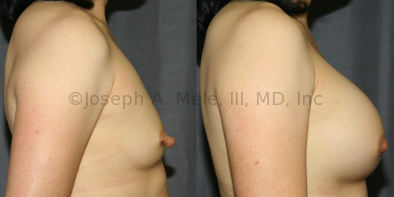
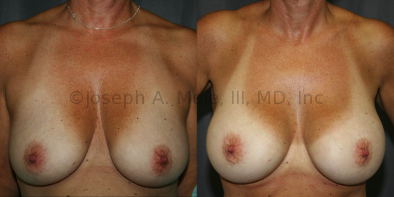
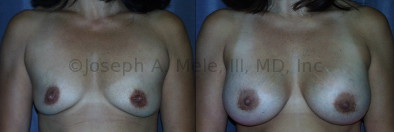
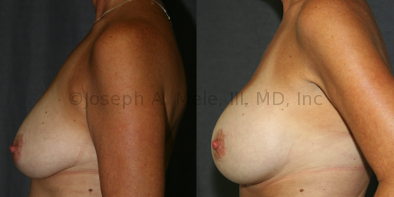
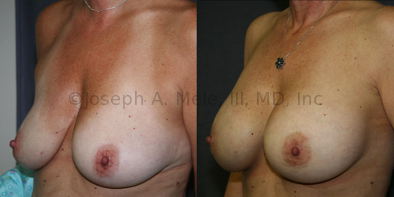
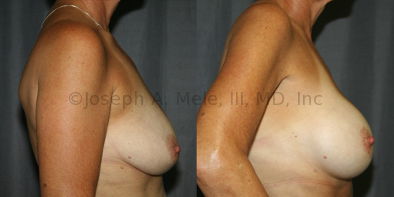
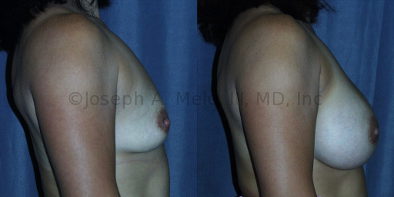
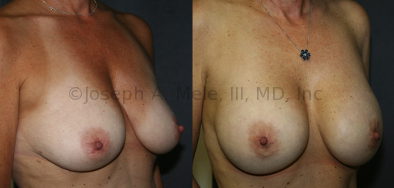
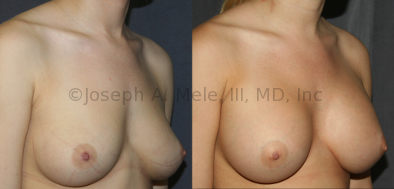
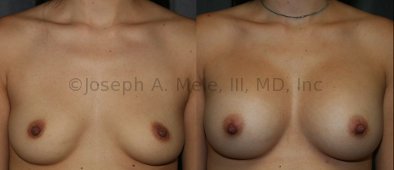
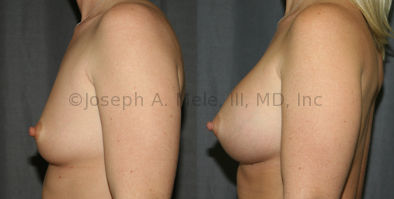
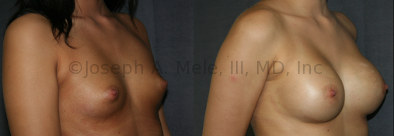
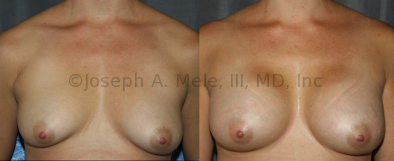
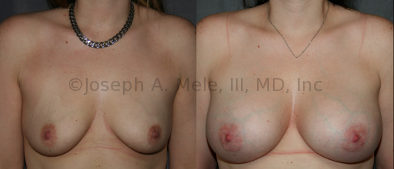
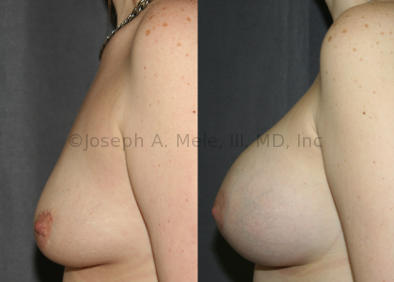
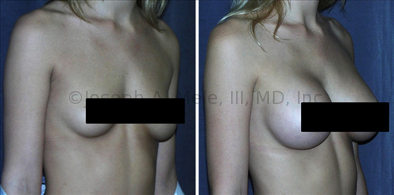
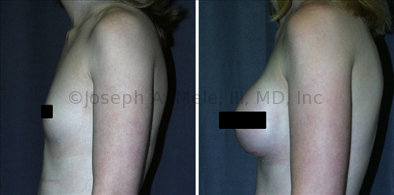
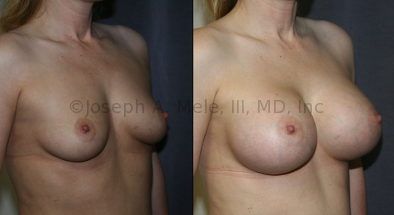
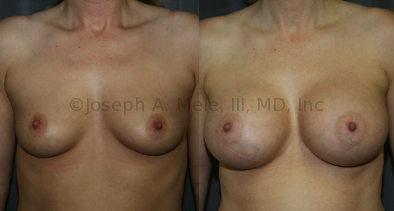
Breast Augmentation (Mammoplasty) Before and After Photos

Most of my breast augmentation patients would like to increase their breast volume by one or two cups sizes. There are many methods to help determine the best size match for your body. One easy way is to get a bra that is the cup size you desire. The number will be the same as the bra you are currently wearing. Add volume to the bra's cup with a Zip-Lock® bag filled with rice. The volume of rice can be varied to get the desired results. This is an easy way to try out a range of volumes. Bringing the best sized bags to the office can help me choose the best breast implant for you.

There are a large number of breast augmentation before and after pictures available online. If you see some that look how you would like to look, print them and bring them to your consultation appointment. This too, can serve as a guide to optimize your results. It is important that you are comfortable with the size, because this a a big step towards the ultimate goal, that you are comfortable with your breast augmentation. A little homework can really help get you where you want to be.

Silicone Gel Breast Implants vs. Saline Breast Implants

There are two types of fillers currently available for my San Francisco Bay Area Breast Augmentation Patients: Saline and Silicone. Both are safe and effective fillers for breast implants. Both saline breast implants and silicone gel breast implants have a silicone shell. Since the shell is solid, it is stable and well tolerated by the body. Silicone is used in many medical devices including facial implants for cheeks and chins, artificial joints, catheters, even IV's. What makes saline and silicone breast implants unique is their center. There are pro's and con's with both saline and silicone gel, and it is important that you know the differences so you can choose the filler that makes the most sense for your specific needs.

I have been a primary investigator for saline and silicone breast implants with both Mentor and Allergan since establishing my Walnut Creek plastic surgery private practice. I am familiar with the pro's and con's of each filler. For some patients, there will be a clear advantage to using one implant filler over the other, but for many women, both fillers will work equally as well, with some minor trade-offs. Reviewing the options is an important part of your confidential consultation.

Saline breast implants have a soft shell of solid silicone. Built into the shell is a diaphram valve. The valve keeps the saline inside the breast implant, and allows the fill volume to be adjusted during surgery. Saline implants are normally inserted empty, with the fill valve attached. With the implant already in the pocket, saline is added. The volume of saline is adjusted, prior to removing the fill tube, to help fine tune the final results.

  • Advantages of Saline Breast Implants:
    • Easy detection of leaks. The implant will noticeably deflate, so no MRI is needed.
    • Saline is quickly absorped by the body. We are mostly saline, so the body handles is like it handles normal swelling.
    • Increased projection. The saline implant is stiffer, so it will push the breast out further, an advantage when desired.
    • Slightly lower risk of capsular contracture.
    • Peace of mind for those who are unsure about the silicone gel filler
    • Requires a smaller incision than other implants. Three centimeters is an average length.
    • Simpler to replace if they deflate
    • Lower cost

  • Disdvantages of Saline Breast Implants:
    • Higher risk of rippling
    • Easier to feel (more palpable)
    • Firmer silicone shell when compared to silicone gel filled breast implants
    • Slightly higher leakage rate

Silicone breast implants also have a soft shell of solid silicone; however, they do not have a built-in valve. Instead, silicone breast implants come sealed and prefilled.

  • Advantages of Silicone Breast Implants:
    • A softer result than saline breast implants, especially with thin breast tissue coverage.
    • Better movement with changes in position
    • Decreased rippling
    • Softer silicone shell when compared to silicone gel filled breast implants
    • Slightly lower leakage rate for cohesive gel breast implants
    • More profiles (shapes) are available
    • Highly cohesive (form stable, gummy bear or 410's) have a soft solid center and cannot leak.
  • Disadvantages of Silicone Breast Implants:
    • For cohesive gel breast implants, it can be difficult to detect leaks, so FDA recommends an MRI at three years and then at two year intervals
    • Silicone is not absorbed by the body and requires surgery for removal as the body will try to surround it with scar.
    • Requires a longer incision than saline implants. Five centimeters for cohesive gel, seven centimeters for highly cohesive (form stable, gummy bear or 410's)
    • Silicone breast implants cost more than saline breast implants.
    • Slightly higher risk of capsular contracture
    • Higher cost
    • Despite being the most investigated medical device to date, some people just don't like them.

Breast Implant Shapes

Round Breast Implants

The most commonly used breast implants today are smooth and round, but implants also come in teardrop shapes. Since most breast are more full at the bottom naturally, a round implant will still give a teardrop shaped result. Placing the implant behind the muscle enhances the natural breast contours. The muscle tapers the contour of the upper pole, giving a more natural appearing profile. This is true for all implants filled with liquid (saline or silicone gel) because the muscle compresses the upper pole, blunting the transition at the upper edge of the breast implant. The liquid is drawn downwards by gravity, so the lower pole is preferentially full and round.

Teardrop Shaped Breast Implants

The first breast implant sold in the US was teardrop shaped. Saline and silicone gel filled, teardrop shaped breast implants are available; however, since they are liquid filled, the shape is not stable, unlike the newer form stable implants. Form stable implants, sometimes called gummy bear implants after the Gummi Bear® candies, retain their shape. Most frequently, teardrop shaped implants are employed. Unlike liquid filled breast implants, form stable implants are filled with a soft solid, which enforces the breast implant's shape on the breast. The filler is silicone that has been polymerized into a solid that is like Jello®. To prevent rotation, all shaped implants are textured.

Breast Implant Profiles

The profile of an implant refers to its projection. The higher the profile, the more spherical the implant. High profile implants are helpful in achieving larger cups sizes for narrower chests. For a fixed volume, a high profile breast implant will have a narrower base. Conversely, a low profile breast implant will have a larger diameter. This can be used to adjust a desired volume to your breast's diameter or BWD (breast or base width diameter).

Matching the diameter of the breast and implant is important for achieving a natural appearance. If the breast implant is too wide, the breast will be wide and push outwards towards the arms. On the other hand, if the breast implants are too narrow, they will preferentially fill the outer part of the breasts and increase the space between the breasts.

Smooth Breast Implants vs. Textured Breast Implants

Smooth and textured refer to the surface of the breast implants' outer shell. Texturing allows the capsule, the scar that normally forms around the implant, to attach to the surface of the implant. The result is similar to Velcro®. For shaped implants, this attachment is very important in preventing rotation.

A smooth, teardrop shaped implant would tend to rotate its thinner top towards the center, and its fuller bottom to the side. Texturing normally prevents rotation, and preserves the desired effect of a teardrop shaped breast. When the texturing fails to prevent rotation, as high as ten per-cent of the time in published studies, the side of the breast is preferentially enlarged. Since this usualy only occurs on one side, the result is asymmetry requiring a second surgery to correct the breast implant malposition.

Since texturing allows the implant to adhere to the capsule, the implant tends to feel more firm and immobile, and any wrinkling in the implant is more fully transmitted to the surface. So rippling is seen more frequently with textured implants. Deflation rates are also slightly higher with textured implants.

Smooth breast implants tend to give a softer and more mobile result. Since there is no attachment to the capsule, the implants can rotate. Only round implants are made smooth, because there is no visible change in the breast's shape, when a round implant rotates.


Breast Implant Placement

Breast Implants Below the Muscle

Placing breast implants behind the pectoralis major muscle has several advantages. The overall shape of the breast is more aesthetically pleasing. Muscle compression at the top of the breast gives a more tapered look. The result is a full, natural, teardrop shaped breast. The muscle also adds thickness to the soft tissue covering the implant. This not only helps to better disguise the breast implant, but also protects the implant.

When the breast implant is behind the muscle, mammography is enhanced. The breast tissue is in front of the muscle and is more easily manipulated for mammography. When the implant is in front of the muscle, it will block more of the breast tissue, and prevent areas from being visualized on the mammogram.

In the past, the capsular contracture rate for silicone filled implants was lower when the breast implants were placed behind the muscle. The difference is less pronounced with the introduction of low bleed silicone gel implants in the mid 90's.

Breast Implants Above the Muscle

Breast implants placed above the muscle have less soft tissue to disguise the fact that breast augmentation has been performed. You will see the outline of breast implants placed in front of the pectoralis major muscle more easily. This is sometimes referred to as the "fake look". The extreme case can be found on the cover of many muscle and fitness magazines. Since most fitness models have very little body fat, they tend to have very little natural breast tissue, and breast implants placed in front of the muscle give a round breast.

The advantage of placing the implant in front of the muscle is that the breast implant is not likely to move with forceful flexion of the pectoralis major muscle. So if you are a body builder, and you are posing, breast implants in front of the muscle will not move like implants placed behind the muscle. Also small amounts of sagging can be compensated for by placing the implants in front of the muscle. While this will not require additional incisions like a breast lift, it will mean a breast slightly lower on the chest wall.

Breast Implants Dual Plane Technique

The dual plane technique is a hybrid technique that attempts to combine aspects of breast implant placement in front of and behind the pectoralis muscle. For carefully selected patients, this technique maintains the tapered appearance of the upper pole, while allowing for better filling in the lower pole. This can be helpful when there is some laxity in the lower breast, but cannot replace a breast lift.

Breast Augmentation Incisions

Periareolar Incision

The areola is the colored skin which surrounds the nipple. The periareolar incision is placed along the edge of the areola from about 4 to 8 o'clock. The advantage is that the scar can hide well here. Scars in this area are usually thin. If the scar ends up a little dark, it can hide in the pigmentation of the areola. If the scar is a little light, it can hide in the skin. Since we expect to see a color change along the areola, the resultant scar is usually difficult to detect.

The periareolar approach is most often used with saline filled breast implants. The implants can be inserted through the incision empty. By inflating the implant on the inside, a smaller incision is needed on the outside.

  • Advantages: Best disguised incision, and just about any implant problem can be fixed via this incision. Scar is covered by clothing.
  • Disadvantages: May be too small for silicone gel breast implant placement. May cause injury to the milk ducts in the lower breast.

Inframammary Fold (IMF) Incision

The inframammary fold (IMF)incision is made just above the crease under the breast, and is centered just lateral to a line dropped from the nipple. When the areola is too small, this is the preferred incision. The most common situation is for the placement of a silicone gel filled implant. Silicone gel filled breast implants come prefilled, and require a larger opening for placement. Trying to force a silicone gel filled implant through too small, or too remote and incision, increases the risk of breast implant failure. Stretching the shell of the implant will cause weak spots, making the implant more likely to leak.

  • Advantages: Any size implant can be placed via the IMF approach, and just about any implant problem can be fixed via this incision. Scar covered by minimal clothing. No injury to milk ducts.
  • Disadvantages: More noticable than the periareolar incison.

Axillary (Arm Pit) Incision

These incisions are made in the armpits. The location is discrete, but removed from the breast. Being farther away can make it more difficult to place the implants. Specialized instruments must be used to reach the lowest portion of the implant pocket. Since the bottom of the pocket cannot be felt through the axillary incision, there is a slightly increased risk of asymmetry. Silicone gel filled implants are at higher risk of injury with this incision, and the approach is not recommended.

  • Advantages: Scar in armpit.
  • Disadvantages: Sensory nerve to the nipple crosses between this incision and the pocket for the implant putting it at risk. More exposed scar location. Higher risk of damage to silicone gel implants during placement. Less control over the implant pocket creation at the IMF. Cannot treat capsular contracture through this incision.

(Trans)Umbilcal (TUBA) Incision

The umbilical incision is made in the upper rim of the belly button. TUBA (TransUmbilical Breast Augmentation) is performed by tunneling up from the bellybutton and into the breast. Visualization is poor at best, making this the least controlled approach. Dissection of the pocket is often done by inflating a balloon under the breast, and the implants are inserted through a long tube. Silicone gel filled implants should not be placed with this approach. The main selling point of this approach is the scar, but since the scars on the breast tend to heal well, the advantage is minimal.

  • Advantages: One scar instead of two.
  • Disadvantages: More exposed scar location. Not suitable for silicone gel implant placement. Less control over the implant pocket creation. Cannot treat capsular contracture through this incision.


Breast Implant Care: Before, the Day of & After Your Surgery

What happens before, during and after your Breast Augmentation Surgery can directly affect your results. Below are some general rules. What follows cannot substitute for a consultation with a Board Certified Plastic Surgeon, but is provided to give you some details regarding what to expect around the time of surgery. Your instructions may vary depending on the details of your surgery, your surgeon and your overall health.

Breast Implant Care: Before Your Surgery

Preparation for surgery includes a few simple steps that are necessary to improve the safety and predictability of your breast augmentation. Some are true of any surgery, and some are specific to breast augmentation. Dr. Mele will tailor your care specifically to you, so be certain to follow the instruction given at your pre-op visit. Here are a few things that are usually necessary:

  • DO NOT eat before your surgery. In general you should take nothing by mouth after midnight, the night before your surgery. Certain prescription medications may be taken with a small sip of water, but be certain to review these with Dr. Mele.

  • AVOID aspirin (Bayer, Excedrin, Ecotrin), ibuprofen (Motrin, Advil), naprosyn (Alleve, Naproxen, Anaprox), or other over the counter pain medications that may lead to excess bleeding. Acetaminophen (Tylenol), is okay.

  • DIETARY SUPPLEMENTS should be stopped 1 to 2 weeks before surgery to avoid complications. This includes Vitamin E, Fish Oil, Ginseng, Gingko, Echinacea and many many others. Be certain to bring a list of all medications, dietary supplements and herbs you are taking to your pre-op visit to avoid potential problems.

  • If you are taking Arnica Montana to decrease post operative bruising and swelling, take the first tablet, the night before surgery.

Breast Implant Care: The Day of Your Surgery

  • You will need a friend to drive you home.

  • WEAR loosing fitting clothes. A shirt that buttons or zips down the front will be easier to get on and off.

  • Bring a good support brassiere (no underwire or push-up bras) with you the day of your operation. The band size (the number) should be the same as before surgery. The cup size (the letter) should be the planned size after surgery. In other words, if you are a 34A before surgery, and the goal is to be a C-cup, you should bring a 34C bra, without underwire, with you on the day of surgery.

Breast Implant Care: After Your Surgery

Click Here to Read About Important Post Operative Instructions for Breast Augmentation

CALL DR. MELE AT (925) 943-6353 IF:

  • You are bleeding excessively (a small amount on the dressings or bra is normal).

  • You have discomfort not relieved by your pain medication.

  • You have any signs of infection: redness, swelling of incision, drainage from incision, or fever of 101 degrees or above.

  • You have persistent (more than 24 hours) vomiting. In this case, you should also discontinue pain and antibiotic medications.

Post-Surgical Diet:

A small percentage of patients may experience nausea after anesthesia; this may continue for 24 hours. After your breast augmentation, take liquids only until your stomach has settled. You may have a soft diet in the evening, if you are not nauseated. Resume your regular diet the next day as tolerated. Pain medications and antibiotics can also induce nausea. If your nausea is persisting longer than 24 hours, contact the office.

Activity:

  • LIMIT your activity to the house for the first 24 to 48 hours.

  • ABSOLUTELY NO strenuous sports (aerobics, tennis, skiing, or jogging) for six (6) weeks.

  • DO NOT reach above shoulder height, nor bend below waist level, for two (2) weeks after the surgery.

  • DO NOT lift weights exceeding twenty (20) pounds for six (6) weeks.

  • YOU MAY drive your car in three (3) days with caution, wearing lap and shoulder seat belts.

  • YOU SHOULD sleep on your back for one (1) week.

  • DO wear a bra. If you remove the bra to wash it, replace it with another. If the bra is comfortable, you may leave it on until your first postoperative office visit. Sleep in your brassiere for two weeks. You should not make a habit of going braless during the day unless you have been specifically instructed to do so. Unless instructed otherwise, you must wear your bra for 24 hours/day, for the first two weeks, following your surgery (DO NOT remove it when you sleep). Dr. Mele strongly recommends that you continue to wear a bra (without underwire) for 12 hours/day for the first six months after surgery.

Care of the Surgical Site:

Swelling of the breasts is normal postoperatively, and will gradually decrease over a two to three week period. The incisions are sutured with dissolvable sutures. These will be trimmed at your postoperative visit. Keep your dressing dry at all times. The dressing will be removed in the office after surgery. You may remove the dressing sooner, if directed to do so. The Steri-Strips (tapes) on the skin should not be removed at home. They are helping to keep the incision closed, and will be removed in the office.

Pain Pump Care:

If you have a pain pump (Accufuser or On-Q) it will run automatically. Each pump has a ballon reservoir filled with local anesthesia. The balloon will slowly deflate over several days after surgery. You may not notice a change in balloon volume for the first 24 hours. Once the balloon is empty, the pump may be disconnected and the catheters removed. See the pain pump instruction sheet given to you the day of surgery or download them from the website below. Once the catheters are removed, you may shower as instructed.

Bathing Instructions:

If your pain pump catheters are in place, take sponge baths only until your first postoperative visit. After the catheters are removed you may shower. If you do not have pain pump catheters in place, and you are cleared to shower, allow the water to hit your back. It is okay if a little water runs down the front, but avoid blasting your breast with the shower spray. Do not remove the tapes (Steri-Strips) over your incisions. They may be pat-dried or air-dried after showering. These will be removed in the office. Replace your bra once you are dry.

Discomfort:

There may be a feeling of tightness and discomfort throughout the chest area for which pain medication will be prescribed. Each day will be an improvement. You may not drink alcohol, drive or operate heavy machinery while taking your pain medication. It may cause drowsiness, and impair your judgment.

Anesthesia Instructions:

The effect of anesthesia can persist for 24 to 48 hours. Therefore, you should limit your activity to the house for that period. In addition, you should not drink alcohol, drive or operate heavy machinery for 24-48 hours after anesthesia. Do not make important financial decisions for 48 hours.

Postoperative Breast Examinations:

Resume your monthly self breast examinations. Your personal physician should resume routine breast examinations annually. You should obtain a mammogram following the guidelines set forth by the American Cancer Society.

Breast Feeding and Lactation:

Breast feeding after breast augmentation is encouraged. The current recommendation for women who have breast implants, is the same as for women without breast implants. Breast implants take up space in, or behind the breasts, and this may lower the volume of milk produced.

Breast Implant Warranties

The two major breast implant manufactures in the US are Allergan and Mentor (a division of Johnson & Johnson). Both stand behind their breast implant product lines with generous warranties, including lifetime replacement of your implant should you experience a deflation. Breast implants leaks that occur within 10 years of surgery may also qualify for financial assistance towards the cost of your breast implant replacement surgery. Warranty details are available here. Breast Implant warranties are frequenly updated. Be certain to check your breast implant manufacturer's web site for the latest information.

Natrelle Breast Implants (Allergan)

Mentor Breast Implants (Johnson & Johnson)